Tuesday, 22 April 2025

Social Media and Organizational Communication


How Social Media is Reshaping Organizational Communication

I recently read a fascinating article by Ali Alasmari titled “The Impact of Social Media on Organizational Communication” (linked below), and it really got me thinking about how much social media is changing the way businesses communicate—both internally and externally.

The article is grounded in the open systems theory, which basically says that organizations are constantly influenced by the world around them. Social media is a clear example of that—it’s not just a marketing tool anymore, it’s become a core part of workplace communication. Platforms like WhatsApp, Twitter, and LinkedIn are helping teams stay connected and letting customers engage with brands in real time.

What I liked most about the piece is its balanced perspective. It acknowledges the benefits—like speed and connectivity—but also points out the risks, from distractions to potential damage to a company’s reputation. It’s a reminder that while social media offers a lot of opportunities, it also requires thoughtful use and good policies.

The article also highlights how widespread this shift has become. I was surprised to learn that around 50% of global businesses now use social media for internal communication—clearly, this isn’t just a passing trend.

If you’re curious about how digital tools are transforming workplace dynamics, I recommend giving the article a read. It’s a solid overview with practical insights that got me reflecting on how we communicate at work today.

Let me know your thoughts if you check it out!

Link to the article -  https://www.ajsp.net/research/The%20Impact%20of%20Social%20Media%20on%20Organizational%20Communication.pdf

Monday, 7 April 2025

 part 2

Social Media in Organizational Communication

  1. "Social Media in the Workplace" by Harvard Business Review
    • This video discusses how organizations can effectively implement social media policies while balancing employee expression and company reputation.
    • Link: https://www.youtube.com/watch?v=q6dJfx5huig
    • Commentary: This video aligns with The Play-Pen Montessori's careful approach to social media policies, highlighting how clear guidelines can protect both the organization and its stakeholders (in your case, children and their families).
  2. "Internal Communication Trends for 2023" by Staffbase
    • Explores how digital communication tools are transforming workplace collaboration and culture.
    • Link: https://www.youtube.com/watch?v=HXLRDgJiZbY
    • Commentary: While The Play-Pen Montessori prioritized in-person interaction, this video shows how selective digital tool adoption can enhance organizational efficiency without compromising core values.
  3. "Social Media Ethics in Education" by EdWeb
    • Specifically addresses ethical considerations for educators using social media.
    • Link: https://www.youtube.com/watch?v=MZf8zKtqkMY
    • Commentary: This resource directly relates to the strict photo policies and professional conduct expectations at The Play-Pen Montessori, reinforcing how educational institutions must prioritize privacy and appropriate representation.
  4. "How Social Media Changed the Workplace" by TED
    • Examines the evolution of workplace communication in the digital age.
    • Link: https://www.youtube.com/watch?v=l6HWVPFdKb8
    • Commentary: This presentation offers perspective on how even traditional environments like Montessori schools have been influenced by changing communication norms, despite maintaining important boundaries.
  5. "Building Organizational Culture in a Digital Workplace" by Gallup
    • Discusses maintaining strong workplace culture when digital tools become part of operations.
    • Link: https://www.youtube.com/watch?v=7dCn0zLCUVA
    • Commentary: The Play-Pen Montessori's approach reflects principles discussed in this video—how organizations can embrace useful technology while ensuring it supports rather than undermines their core cultural values.


Social Media and Digital Communication at The Play-Pen Montessori


As an early childhood educator at The Play-Pen Montessori PVT in Sri Lanka, I had the opportunity to work in a well-organized AMI Montessori school for children aged 2-6 years. This institution was committed to following Dr. Maria Montessori's educational methods and utilized authentic AMI apparatus covering all developmental areas: mathematics, language, geography, science, and practical life activities.

Digital Tools and Their Applications in the Workplace

At The Play-Pen Montessori, digital tools were carefully regulated, especially in the classroom environment. Mobile phones were strictly prohibited while working with children to ensure educators remained fully present and engaged with their students. This policy aligned with the Montessori philosophy emphasizing hands-on learning and personal connection.

For administrative purposes, the school utilized:

  • Email communication for parent updates and staff announcements
  • A digital information system for attendance and record-keeping
  • WhatsApp groups for quick staff communications about operational matters
  • A digital calendar for scheduling parent meetings and school events

Formal vs. Informal Communication Channels

The school maintained clearly defined formal and informal communication channels:

Formal channels:

  • Staff meetings (conducted in person with minimal technology)
  • Official emails for important announcements
  • Parent-teacher conferences (documented in our digital system)

Informal channels:

  • WhatsApp groups for day-to-day coordination
  • Break room conversations
  • Occasional staff social gatherings where work matters were discussed casually

Social Media Rules and Guidelines

The Play-Pen Montessori had specific guidelines regarding social media usage:

  • No classroom photos featuring children's faces could be posted on personal social media
  • The school's official Facebook page was managed only by designated staff
  • Staff were expected to maintain professional conduct on their personal social media, avoiding negative comments about the school or discussions of internal matters
  • Any external communications had to align with Montessori principles and the school's educational philosophy

Risks of Social Media Usage

The school administration recognized several risks associated with social media:

  • Privacy concerns regarding children's images and information
  • Potential misrepresentation of Montessori practices if shared without proper context
  • Distraction from present-moment engagement with children
  • Possible confusion if informal channels contradicted official communications

How Social Media Changed Workplace Communication

Despite the carefully controlled environment, social media and digital communication did transform certain aspects of our workplace:

  • Parent communication became more immediate and accessible
  • Staff coordination for events became more efficient
  • Professional development resources could be shared more easily
  • The school could showcase its Montessori practices to the wider community

Impact on Organizational Culture

The limited but purposeful use of social media and digital tools at The Play-Pen Montessori influenced our organizational culture in several ways:

  • Reinforced the value of present-moment awareness and human connection
  • Created clear boundaries between work and personal life
  • Ensured that all discussions about education remained professional and aligned with Montessori principles
  • Maintained focus on the children's development rather than digital documentation

In conclusion, The Play-Pen Montessori demonstrated that even in today's highly connected world, educational institutions can create thoughtful boundaries around digital communication and social media usage. These boundaries helped preserve the essence of Montessori education while still benefiting from the efficiency that digital tools can provide for administrative functions.


Sunday, 6 April 2025

Blog Post 2: The Challenges and Benefits of Social Media in Store Management


The Challenges and Benefits of Social Media in Store Management

During my time as a store manager, I saw how social media and digital tools like WhatsApp can really change the way businesses communicate. These tools can help in many ways, but there are also some challenges to consider.

Benefits of Using Social Media:

  • Instant Communication: WhatsApp made it easy to contact staff, vendors, or clients quickly. This was especially helpful during busy times or when last-minute changes came up. I could get in touch with everyone right away, making sure things ran smoothly.

  • Better Client Relationships: Staying connected with clients in real-time helped me address their needs and concerns immediately. This quick response time helped improve customer satisfaction and build stronger loyalty.

  • Efficient Team Coordination: WhatsApp groups were great for organizing schedules, tasks, and sharing updates. It made communication faster and easier without having to rely on emails or meetings, helping the team stay organized.

Challenges of Using Social Media:

  • Work-Life Balance: While WhatsApp was a great tool, it also meant that work was always with me. Staff and vendors could message at any time, which sometimes made it hard to switch off after hours.

  • Privacy Concerns: Sharing sensitive information on platforms like WhatsApp raises privacy issues. Whether it was vendor negotiations or client details, it made me cautious about what I shared.

  • Professionalism Issues: The line between formal and informal communication became blurry. There were times when staff would share personal or inappropriate content in work groups, which distracted from the professionalism of the team.

Conclusion:

To sum up, social media and digital tools like WhatsApp have made communication faster and more efficient. But they also bring challenges, like privacy concerns, work-life balance issues, and professionalism problems. Businesses need to set clear rules and guidelines to make sure they get the best out of these tools while avoiding the risks.

Blog Post 1: Using Social Media in the Workplace: A Store Manager's Experience


In today's world, social media isn't just for personal chats anymore; it has become a vital part of how businesses, including those in social and educational work, operate. I’d like to share my experience working as a store manager in my home country, where digital tools like WhatsApp were key to communication and day-to-day management.

As a store manager, I had to keep in touch with both vendors and clients, which meant constant communication. WhatsApp was the tool I relied on most to keep everything running smoothly, whether for official or casual conversations.

Tools and How They Were Used:

For everything from managing client orders to tracking inventory, WhatsApp was my go-to platform. I used it to communicate with clients about products, prices, and availability. Vendors also relied on WhatsApp for quick updates about product deliveries, promotions, and changes. This real-time communication was crucial for staying organized and keeping everyone in the loop.

Internally, we set up WhatsApp groups for staff to discuss daily tasks, shifts, and any urgent updates. It was faster than emails or phone calls and kept everyone on the same page. For more formal tasks like managing inventory or recording sales, I used the store’s digital management system, which helped me stay organized and efficient.

Formal vs. Informal Communication:

WhatsApp became a place for both formal and informal communication. Official information like work schedules, promotions, or store policies was shared clearly, but the informal side also played an important role. We used the platform to motivate each other, celebrate small wins, and stay connected as a team. This informal communication helped foster a positive, relaxed atmosphere at work.

However, it was sometimes hard to separate the two. At times, personal opinions or non-work-related content would slip into the group chats, causing distractions or making things feel less professional.

Social Media Rules for Staff:

The company I worked for had specific rules when it came to using social media for work. Staff were encouraged to use WhatsApp for work-related conversations, but personal messages had to stay separate. There were also strict guidelines about maintaining client privacy and keeping work communications professional. For example, staff were reminded not to share controversial opinions or political views on work channels, which helped protect the company’s image.

Risks of Using Social Media:

While WhatsApp was incredibly useful, there were some risks involved. For example, miscommunications could happen easily, especially when tone and intention aren’t clear in text messages. There was also the risk of accidentally sharing sensitive information with the wrong person, which could happen when dealing with vendors or clients.

The Impact of Social Media on Communication:

Social media, particularly WhatsApp, changed the way we communicated at work. Before, if I needed to speak with a client or vendor, it would require a phone call or a formal email, which took more time. But with WhatsApp, I could get an immediate response, making the workflow faster and more efficient. It also made communication easier across different shifts, helping everyone stay informed no matter when they were working.

Influence on Organizational Culture:

Social media and digital tools significantly impacted the organizational culture. Official communication became clearer and faster, while informal chats on WhatsApp helped create a supportive and friendly work environment. We celebrated achievements, shared advice, and provided emotional support, which made the workplace feel more like a team rather than just a place to work.

In conclusion, social media and tools like WhatsApp have had a big influence on how communication works in the workplace. They make everything faster, more efficient, and more connected. But, as with anything, it’s important to find a balance between work and personal conversations and to stay mindful of professional boundaries.

Saturday, 5 April 2025

Social Media use at Maris Stella College

 In today's digital age, educational institutions are increasingly leveraging technology to enhance communication and community engagement. My previous workplace, Maris Stella College in Negombo, Sri Lanka, exemplifies this trend through its strategic use of various digital tools and social media platforms.


Digital Communication Tools at Maris Stella College

The school employs a range of digital platforms to facilitate effective communication:

  • Official Website: The school's website serves as a comprehensive resource, offering information about its history, academic programs, and extracurricular activities. https://www.msct.lk/

  • Facebook Page: The college maintains an active Facebook page to share updates on events, achievements, and important announcements, fostering real-time interaction with the school community. https://www.facebook.com/MSCNegombo/

  • YouTube Channel: Managed by the Educational Media Unit, the school's YouTube channel features live streams of significant events, such as the Inter-House Athletic Meet, allowing broader access to school activities. https://www.youtube.com/emumsc


Evolution of Staff Communication

Traditionally, staff meetings and announcements at Maris Stella College were communicated through the school's broadcasting system. However, the COVID-19 pandemic urged a shift to digital communication. An official WhatsApp group was established for staff members, enabling prompt dissemination of important messages. To maintain professionalism, staff are advised against sharing personal messages or advertisements within this group.

Formal and Informal Communication Channels

The college's communication framework encompasses both formal and informal channels:

  • Formal Channels: The official website, E-mail, Facebook page, YouTube channel, and staff WhatsApp group are utilized for official communications and announcements.

  • Informal Channels: Platforms like Facebook also serve as spaces for informal interactions among students, parents, and alumni, fostering a sense of community.

Social Media Usage Policies

To ensure responsible use of social media, Maris Stella College has implemented guidelines for staff:

  • Professional Conduct: Staff are expected to uphold professionalism in online interactions, reflecting the school's values.

  • Authorized Content Sharing: Only designated personnel are permitted to share official information to maintain accuracy and consistency.

  • Privacy and Confidentiality: Staff must protect the privacy of students and colleagues by refraining from sharing sensitive information online.

Risks Associated with Social Media

While social media enhances communication, it also presents potential risks:

  • Misinformation: The rapid spread of unverified information can lead to misunderstandings and harm the school's reputation.

  • Privacy Breaches: Accidental sharing of personal data can compromise the privacy of individuals within the school community.

  • Cybersecurity Threats: Social media platforms may be vulnerable to cyber attacks, posing risks to the school's digital infrastructure.

Impact on Organizational Culture

The integration of social media has influenced Maris Stella College's organizational culture:

  • Formal Culture: The adoption of digital communication tools has led to the establishment of policies promoting professionalism and accountability.

  • Informal Culture: Social media facilitates informal interactions, strengthening relationships and fostering a sense of belonging among students, staff, and alumni.

In conclusion, Maris Stella College's strategic use of digital communication tools and social media platforms has significantly enhanced its engagement with the school community. By implementing clear policies and guidelines, the school effectively mitigates potential risks, leveraging the benefits of digital communication to support its educational mission.


❤ Social Media Inside the Workplace 

A Case Study from a Youth Center

For this blog post, I’m reflecting on my experience at Next Step Youth Center, a community-based organization that supports teenagers and young adults with educational guidance, mental health support, and career coaching. The organization works closely with local schools, social workers, and parents.

Digital Tools in Daily Operations

At Next Step, a variety of digital tools are integrated into daily work:

  • Microsoft Teams is the main platform for internal communication, video meetings, file sharing, and scheduling.

  • Google Workspace is used for documentation, spreadsheets, forms for intake assessments, and collaborative planning.

  • Trello is used for project management and tracking ongoing client cases.

  • For organizing work shifts, the staff uses Shift Care, a tool tailored for social services.

These tools serve both formal (e.g., case documentation, meeting notes) and informal purposes (e.g., staff group chats, shared event memes, informal check-ins). The mix helps keep the communication professional but human.

Communication Strategy and Social Media Rules

The center has a clear social media policy, which includes:

  • Only designated staff (like the communications officer) can post on the official Instagram, Facebook, and TikTok accounts.

  • Staff must not share client-related content without written consent.

  • Personal opinions about organizational matters shouldn’t be shared publicly on personal accounts.

  • Crisis or sensitive updates are never to be posted in real-time—everything goes through a review.

This policy helps prevent misinformation, protects client confidentiality, and ensures the organization’s voice stays consistent.

Risks of Using Social Media

Some of the risks include:

  • Privacy breaches (especially when working with minors).

  • Burnout or blurred boundaries, as staff may feel pressure to engage on social media even outside work hours.

  • Reputation management – one poorly phrased comment or post can harm the organization's credibility.

Impact on Communication and Culture

Social media has significantly changed how communication flows:

  • Staff feel more connected—there’s a sense of community when they can react to posts, comment, or share behind-the-scenes moments.

  • It helps boost morale and showcase impact, especially when celebrating client achievements or sharing success stories.

  • On the flip side, there’s pressure to maintain a certain public image, which sometimes feels inauthentic or curated.

Conclusion

Overall, social media and digital tools have become essential in the daily operations of social and educational work. While they offer great benefits in communication, connection, and visibility, they also require clear guidelines and mindful use to protect both staff and clients. As seen in the case of Next Step Youth Center, finding the balance between professionalism and engagement is key to building a positive and safe workplace culture

Wednesday, 2 April 2025

 Social Media and organizational communicatio

TechTalk by ChatVariety  

 In this blog there will be taken a closer look to two question about Social Media and Organizational Communication.

To answer the first Question the informations belong to it are from this video

The first Question is how Social Media changed the Working life communication 


In General Social media has become a crucial part of modern communication, benefiting organizations by enhancing their reach and interaction with customers.It has revolutionized professional and personal communication by breaking down barriers and offers continous connection between the organization and their costumers and clients.(according to Techtalk). There is the ability that these Social Media apps could be used for sharing work related informations to them without requiering physical presence. The communication so  maintain effortlesly through it.(according to Techtalk)


The second Question: How does Social Media influence Organizational Culture formal and informal?


Social media has a significant influence on organizational culture . The impact on communication within a company is perceived differently by various groups (according to ISM University) . Company communicators often see social media as a new and exciting tool, while executives tend to be more cautious, fearing a loss of control over communication.

Informally, social media allows executives to gain insights into what employees truly think about their work and the company. (according to ISM University)  Discussions on these platforms reveal the most talked-about topics and highlight workplace issues, giving leadership a clearer picture of employee concerns.  (according to ISM University)This helps executives understand which areas need improvement and where they should take action to align with the company’s culture and goals. (according to ISM University)

Formally, social media can be used to understand the needs of employees through tools like polls and surveys. According to ISM University, this helps organizations improve their work culture by adjusting working conditions to better suit employees. When employees feel heard and supported, they can collaborate more effectively to achieve company goals. In this way, social media plays a key role in shaping a positive and productive business culture. (according to ISN University)


Tuesday, 1 April 2025


My Experiences of  Social Media in workplace context

My experience with social media in a workplace setting comes from my last internship at the Center for Environment and Culture. My colleagues from the education team did not use social media in their daily work, as they were mostly outside with school classes, conducting environmental education programs. Since their work was hands-on and focused on direct engagement with students, there was no need for social media in their tasks.

 Zentrum für Umwelt und Kultur (ZUK) - Don Bosco


However, social media was used in other ways within the workplace. It played a role in organizing daily work, as my colleagues received important updates, such as meeting notifications and schedule changes, through WhatsApp. Additionally, during office hours, they checked emails and used a digital program to view their weekly work schedule, though no specialized social media platform was used for internal coordination.

Social media was primarily used to promote and introduce the general work of the Center for Environment and Culture (ZUK). This responsibility fell on the volunteers, who managed the organization’s social media accounts. They posted engaging content about ZUK’s activities, shared insights into different projects, and collaborated with the education team to document their programs. Sometimes, they recorded educational sessions for Instagram or conducted interviews with staff members to showcase the center’s work. Their content was designed to attract young students and raise awareness about environmental protection and sustainability.


 While social media was used informally among colleagues for internal communication, the volunteers used it more formally to represent ZUK’s mission. However, its use also required responsibility. Volunteers had to follow strict guidelines, ensuring they complied with data protection laws and did not share confidential information. To prevent accidental data leaks or privacy risks, they received training on responsible social media usage.


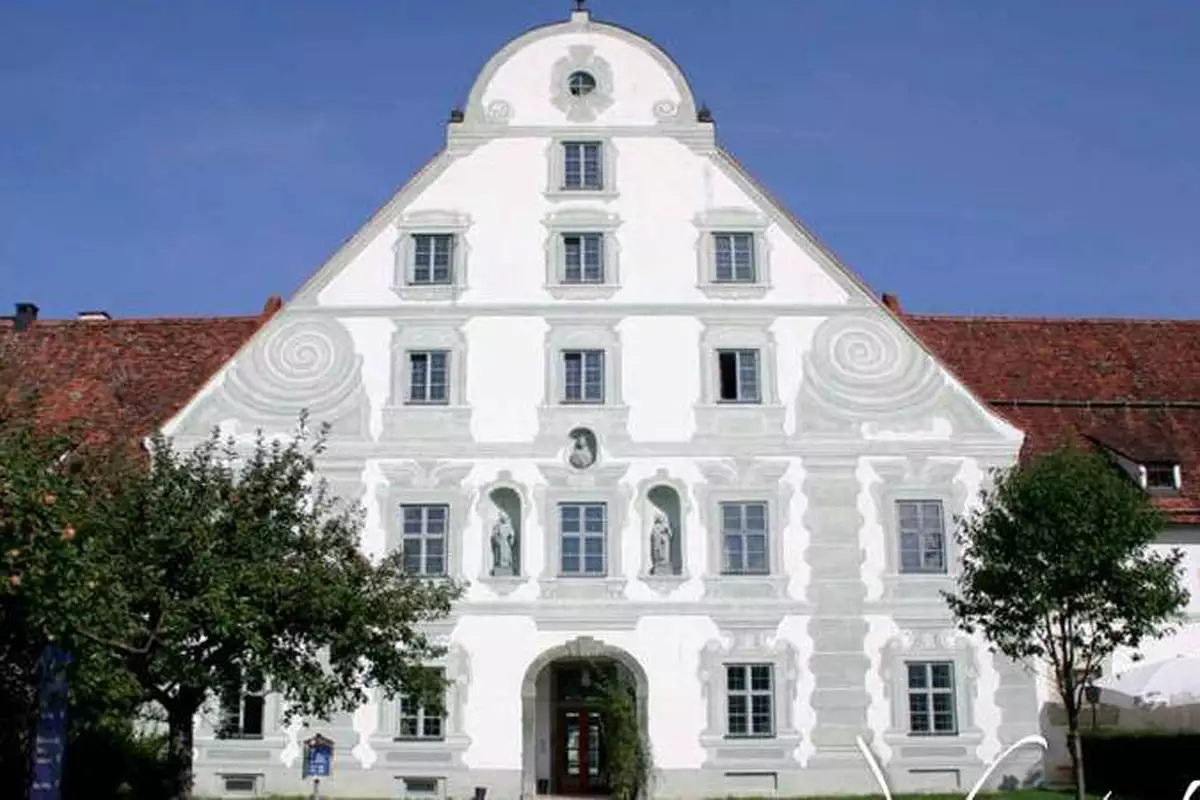
 Zentrum für Umwelt und Kultur (ZUK) in Benediktbeuern


Social Media and Organizational Communication

How Social Media is Reshaping Organizational Communication I recently read a fascinating article by Ali Alasmari titled “The Impact of Soc...